Introduction
This hobby of mine started when the government locked me in my house and nothing to do which is during covid , What initially started as a simple way to stay informed and mentally engaged gradually evolved into something far more meaningful.
As I spent more time reading and learning, I discovered a genuine enjoyment in the process itself. The act of acquiring new knowledge became deeply satisfying—each insight building upon the last and shaping the way I viewed the world. Over time, this curiosity turned into a habit and eventually a passion.
I naturally gravitated toward non-fiction, as I enjoy reading with purpose and applying what I learn. Among my favorite categories are business and psychology—fields that help me better understand how organizations operate and how people think, decide, and behave. Together, they have sharpened my perspective and fueled a continuous desire to learn and grow.



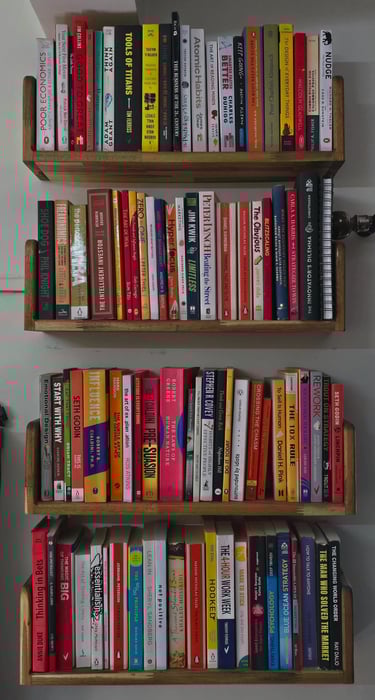
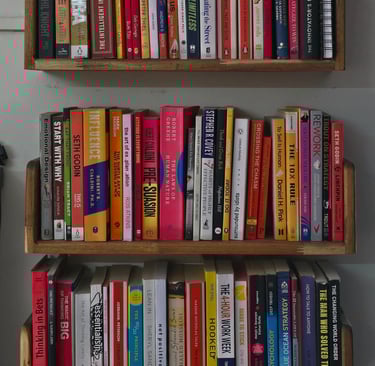
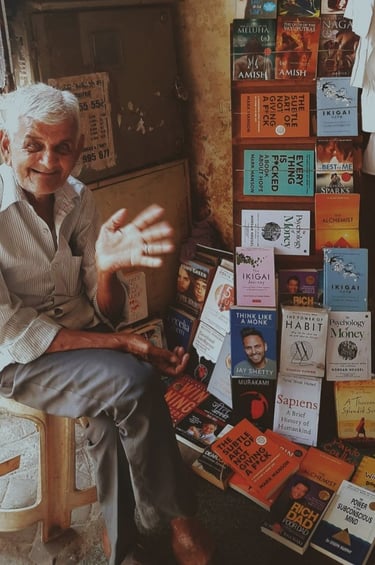
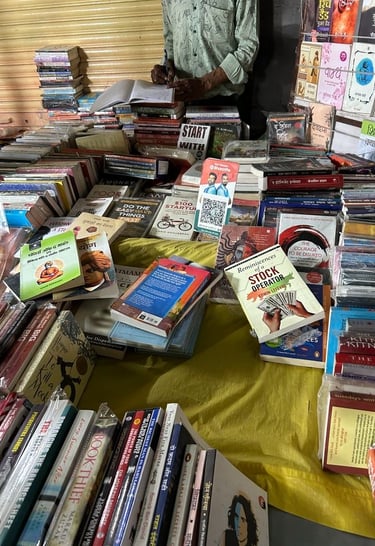
Have a look at my collection
It encompasses more than 100+ books currently


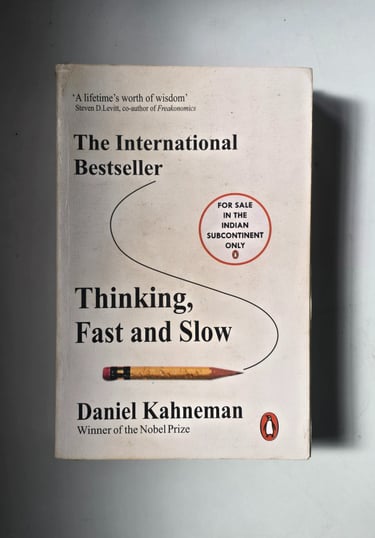
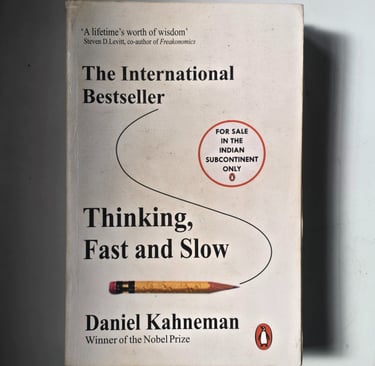
Thinking Fast and Slow
In Thinking, Fast and Slow, Daniel Kahneman explains how our thinking works by dividing the mind into two systems. One is fast and intuitive, which handles everyday decisions automatically and helps us react quickly, but often relies on assumptions and mental shortcuts that can lead to mistakes. The other is slow and analytical, which takes effort and concentration and is used for complex reasoning and important decisions, though we don’t engage it as often as we should. The book shows, through simple examples, how we tend to trust our instincts too easily and how becoming aware of these two systems can help us make better judgments in life, business, and investing.
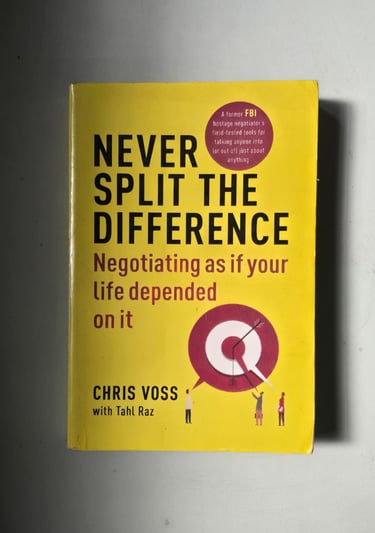
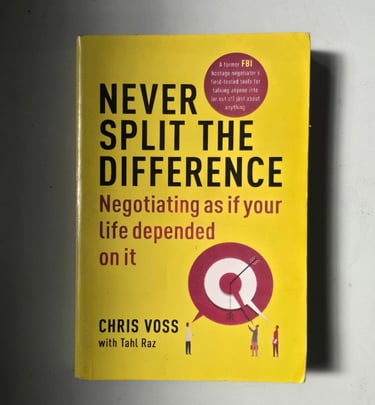
Never Split The Difference
In Never Split the Difference, Chris Voss breaks down negotiation using real-life hostage negotiation experiences from his time at the FBI. Instead of focusing on logic or compromise, the book explains how negotiations are driven by emotions, psychology, and communication. Voss shows how techniques like active listening, mirroring, labeling emotions, and asking the right questions can help you gain control without being aggressive. The key idea is that successful negotiation isn’t about meeting in the middle, but about understanding the other person’s perspective so well that they feel heard and are willing to move toward your outcome—whether in business, salary discussions, or everyday conversations.
Some of my best picks


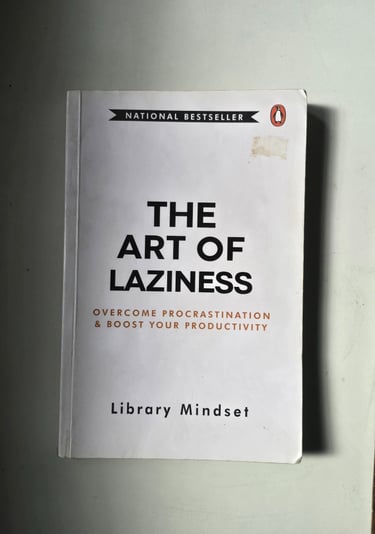
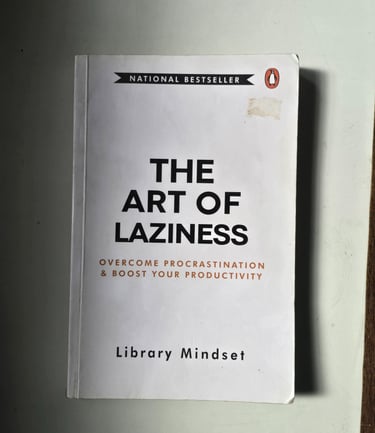
The Art Of Laziness
Don’t let the name confuse you—The Art of Laziness is one of the most impactful productivity books I’ve read and one that will stay with me for a long time. Written in simple, easy-to-understand language, the book isn’t about doing nothing; it’s about being intentional with the limited time we have. It emphasizes that time is our most valuable resource and wasting it on pointless activities comes at a real cost. Every moment matters, and what you choose to do with it is entirely in your control—no excuses, no blame. The core message is clear: productivity isn’t about being busy, it’s about using your time wisely and focusing on what truly adds value to your life.
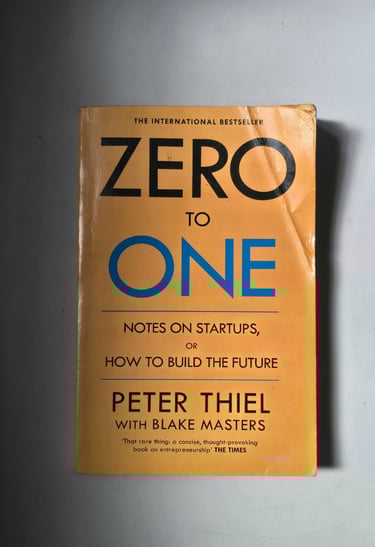
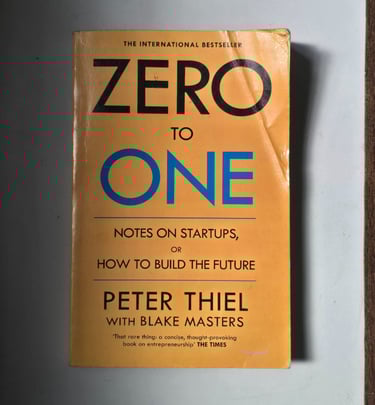
Zero To One
In Zero to One, Peter Thiel lays out why this is one of the best startup books for understanding what truly makes a great business idea. Instead of copying what already exists, the book focuses on creating something new and unique—going from zero to one rather than competing in crowded markets. Thiel explains the strategies that matter most for strong startups, such as building monopolistic advantages, thinking long term, and starting with a clear vision before scaling. The core insight is that successful startups don’t win by following trends, but by solving important problems in ways no one else is doing, making this book a powerful guide for anyone serious about building meaningful and lasting companies.



Contact
Connect
Irvinnetto3@gmail.com
+9820313610
© 2025. All rights reserved.